


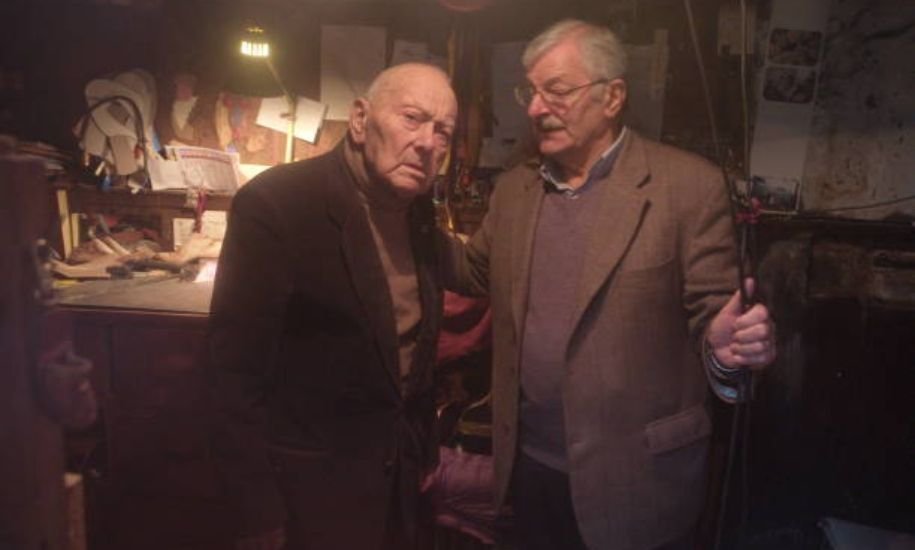
For more than five decades, Joël Le Bigot established himself as one of the most distinctive, recognizable, and beloved voices in Québec broadcasting. His warm tone, nautical metaphors, sharp wit, and instinct for authentic conversation shaped an era of public radio. Today, when people ask “Who is Joël Le Bigot?”, the answer stretches far beyond a simple biography. He is a cultural figure, a storyteller, a morning companion for generations of listeners, and an influential pillar of Radio-Canada history.
Born on March 28, 1946, in Livarot, Normandy, Joël Le Bigot arrived in Québec as a young child when his family immigrated to Montreal. In 1967, he joined Radio-Canada, marking the beginning of an extraordinary career that would ultimately span more than half a century. His ascent was steady: in 1977 he became host of CBF-Bonjour, a flagship morning program that solidified his place in the daily routines of countless Québec households. His friendly, human, and sometimes mischievous approach was unlike anything else at the time.
Yet the essence of Joël Le Bigot’s appeal lies in a combination of candor and curiosity that listeners came to cherish. His shows were not just broadcasts—they were living spaces full of texture, emotion, and unexpected detours. Even after decades behind the microphone, he continued to evolve, always finding new ways to connect with the audience, making him one of the few broadcasters whose legacy spans multiple generations.
Joël Le Bigot at Radio-Canada — A Defining Career
When discussing “joël le bigot radio canada”, one must examine his long and transformative role at the network. His years on CBF-Bonjour laid the foundation for a career of remarkable longevity, but his later work on Samedi et rien d’autre would become equally iconic.
After taking a sabbatical in the mid-1990s, during which he pursued his deep passion for travel and sailing, Le Bigot made a much-celebrated return to Radio-Canada. His weekend programs became staples: conversational, clever, and often joyfully unpredictable. His signature style blended journalistic instinct with personal storytelling, making the radio feel intimate—even for massive audiences.
Listeners appreciated the way he navigated delicate subjects with warmth, even when addressing societal shifts, political debates, or cultural tensions. His occasional controversies—including a 2016 exchange that led to an Ombudsman critique—were reminders of his boldness and refusal to sanitise his personality. Still, the overwhelming response from the public demonstrated enduring loyalty to his authenticity.
On June 18, 2022, Joël Le Bigot’s voice graced Radio-Canada’s airwaves for the final time. Tributes poured in from colleagues, listeners, public figures, and even parliamentarians. His retirement not only marked the end of an era for Radio-Canada but also symbolised the departure of a broadcaster whose influence had become woven into the cultural fabric of Québec.
Joël Le Bigot and Franco Nuovo — A Natural Succession
One of the most referenced transitions in Québec radio is the passing of the Saturday morning torch from Le Bigot to another respected broadcaster. This connection is frequently searched using the keyword “Joël Le Bigot and Franco Nuovo”.
After Le Bigot’s retirement, Franco Nuovo—himself a seasoned communicator known for his versatile media presence—took over the coveted weekend morning slot. The move was widely considered a thoughtful succession. Nuovo shared not only an admiration for Le Bigot’s style but also an understanding of the expectations associated with such a beloved program.
While Le Bigot’s era cannot be replicated, Nuovo’s stewardship acknowledges the legacy while guiding the format into a new chapter. Many listeners see the transition as symbolic: a bridging of generations within Radio-Canada’s evolving audio landscape.
Joël Le Bigot’s Personal Life — Family Values Beyond the Microphone
Because of his long public career, many often search terms like “joël le bigot famille”, “joël le bigot conjointe”, and “joël le bigot et sa conjointe” to understand the private side of the radio figure. However, Le Bigot has traditionally maintained a respectful boundary between his professional persona and personal relationships.
What is publicly known is that he is a father and grandfather, roles he has referenced affectionately during interviews and broadcasts. He has frequently spoken about family life with humor and tenderness, using anecdotes involving his children and grandchildren to illustrate stories or themes on air. His family’s presence, even in subtle ways, enriched his radio personality by grounding it in lived experience.
As for “joël le bigot conjointe”, reputable and mainstream public sources do not provide a definitive, consistently documented name for his spouse. While some blogs and smaller pages casually mention “his conjointe,” major newspapers, Radio-Canada profiles, formal biographies, and public archives do not release or confirm her identity. This is likely by deliberate choice, reflecting Le Bigot’s desire to keep certain aspects of his family life private.
In an industry often marked by overexposure, his discretion has been respected by audiences and colleagues alike. What remains clear is the profound influence of his family on his worldview and the emotional depth he brought to broadcasting.
A Broadcaster with a Sailor’s Soul
Perhaps one of the most unique traits of Joël Le Bigot is his maritime sensibility. Throughout his career, he incorporated nautical metaphors, sailing stories, and marine imagery—sometimes humorously referring to himself as an old sailor navigating the unpredictable seas of public radio.
His sabbatical in the 1990s, during which he traveled extensively by ship, shaped his later storytelling. It offered him a renewed perspective on time, solitude, and the human condition. These themes subtly infused his broadcasting style upon his return, giving him a seasoned, philosophical tone that listeners found profound.
This connection to the sea symbolized his approach to journalism: steady yet adventurous, disciplined yet open to the unpredictable. His programs frequently felt like voyages guided by curiosity.
Cultural Impact and Legacy of Joël Le Bigot
To truly answer “Who is Joël Le Bigot?”, one must look beyond his résumé. He is part of Québec’s collective memory—someone whose voice accompanied morning commutes, weekend routines, holiday mornings, and quiet moments at home.
His impact can be measured in several ways:
1. A Voice That Shaped Radio-Canada’s Identity
Le Bigot belonged to a generation that defined what public radio felt like: calm, intelligent, human-centered. His presence helped shape Radio-Canada into a cultural force that emphasized conversation over confrontation.
2. A Model for Future Broadcasters
Even after retiring, his influence persists. New hosts study his rhythm, his ability to provoke without alienating, and his skill for turning everyday moments into radio gold.
3. A Bridge Between Listeners and the World
He excelled at translating complex issues into relatable narratives. Whether discussing politics, arts, or personal stories, he made the unfamiliar feel familiar.
4. A Cherished Companion
Above all, people listened to Joël Le Bigot because he felt present. He spoke not at his audience, but with them—a rare gift in modern broadcasting.
Joël Le Bigot Today
Though retired from the daily rhythm of radio, Joël Le Bigot remains respected and frequently referenced in cultural commentary. His decades-long contribution continues to be recognized by broadcasters, journalists, and fans.
He leaves behind not just a media legacy, but also a reminder that radio—despite technological change—remains a uniquely intimate and powerful medium when guided by a voice that resonates with sincerity.
His name endures in searches such as “Joël Le Bigot”, “joël le bigot radio canada”, and “Joël Le Bigot and Franco Nuovo”, reflecting a lifelong imprint on public consciousness.
Final Thoughts
Joël Le Bigot’s story is one of passion, evolution, and authenticity. From his early days at Radio-Canada to his final broadcast in 2022, he remained unapologetically himself—warm, sharp, rebellious at times, but always profoundly human. His connection to Québec society is one built on shared stories and mutual affection.
For more thoughtful articles in English, visit CharFen.co.uk.
Also Read: Stéphane Laporte: A Multi-Faceted Name in Quebec Culture, Media, and Beyond
