


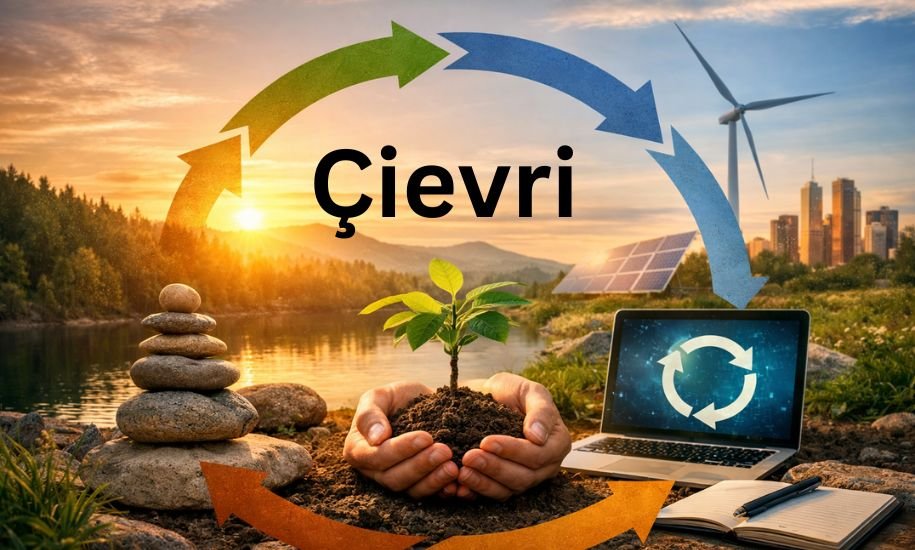
In recent years, the word “çievri” has started appearing across blogs, cultural discussions, technology websites, and sustainability articles. Although it is still not a widely known term in English-speaking countries, many people are becoming curious about what çievri means and why it matters.
At its core, çievri is often described as a concept of cycles, balance, renewal, and continuous improvement. It represents the idea that life, nature, learning, and even technology move in repeating patterns. Instead of thinking about progress as a straight line, çievri teaches that growth happens through a cycle of action, reflection, learning, and improvement.
This simple but powerful idea has made çievri increasingly popular in discussions about personal development, sustainability, education, communication, and modern living.
What Is Çievri?
Çievri is a term used to describe a process in which something constantly develops through repeating stages. A person, system, or community begins with an idea or action, experiences the result, reflects on it, learns from it, and then starts again in a better way.
For example, if someone is learning a new skill, they do not become perfect immediately. They practice, make mistakes, understand what went wrong, improve, and then try again. That repeating process reflects the idea of çievri.
The concept can be summarized in four basic stages:
- Action – starting a task, project, or journey
- Experience – seeing the result of that action
- Reflection – thinking about what worked and what did not
- Improvement – using that knowledge to begin a stronger new cycle
Because of this, çievri is often connected with personal growth and long-term success. It encourages people to accept mistakes as part of progress rather than seeing them as failure.
You Visit | What Is Wifekivers? – Meaning, Origin and Why It Is Trending
The Possible Origin of Çievri
The exact origin of the word is not completely clear, but many writers connect it to Turkic language and cultural traditions. Some believe that çievri originally referred to an idea of turning, revolving, or returning, which matches the concept of cycles and repetition.
The word also looks similar to the Turkish word “çeviri,” which means “translation.” However, the meaning of çievri in modern articles is usually different. While “çeviri” refers directly to translation from one language to another, çievri is more commonly used in a symbolic or philosophical way.
According to several modern interpretations, çievri represents the connection between old traditions and modern life. It suggests that while technology and society change quickly, people still need balance, reflection, and connection to natural cycles.
Why Çievri Is Important
The modern world often encourages speed, instant results, and constant activity. People want success immediately, businesses want quick growth, and technology changes every day. Because of this, many individuals feel stressed, disconnected, or overwhelmed.
Çievri offers a different perspective. It reminds us that meaningful progress takes time. Growth does not happen instantly. Instead, it happens through repeated effort and gradual improvement.
This is one of the main reasons why the idea of çievri has become more important today. It teaches patience, self-awareness, and sustainability. Rather than rushing forward without thinking, çievri encourages people to pause, reflect, and move forward with more wisdom.
The concept is valuable because it can be applied to many different parts of life.
Çievri and Personal Development
One of the most common ways people use the idea of çievri is in personal growth.
Many people want to improve themselves, whether by becoming healthier, learning a new skill, building confidence, or achieving career goals. However, improvement rarely happens in a single step. Success usually comes through repeated cycles of trying, learning, and improving.
For example, a person who wants to become a better writer may begin by writing every day. At first, the work may not be perfect. But by reading, practicing, receiving feedback, and continuing to write, the person slowly improves. That repeating journey is a perfect example of çievri.
The concept also teaches that setbacks are natural. Every challenge or mistake becomes an opportunity to learn. Instead of giving up, people can use the experience to become stronger in the next cycle.
Because of this, çievri is often connected with:
- Self-improvement
- Motivation
- Reflection
- Mindfulness
- Long-term thinking
Çievri and Sustainability
Another important meaning of çievri appears in sustainability and environmental discussions.
Nature itself works in cycles. The seasons change every year. Water moves through rivers, clouds, and rain. Plants grow, die, and grow again. Everything in the natural world follows a repeating pattern.
Çievri reflects this idea of natural balance. It encourages people to live in a way that supports the environment rather than damaging it.
For example, recycling, reducing waste, saving energy, and protecting natural resources all follow the spirit of çievri. These actions recognize that human life is connected to larger natural cycles.
Modern sustainability experts often argue that society should stop focusing only on short-term profit and begin thinking about the future. Çievri supports this idea because it emphasizes responsibility, balance, and long-term planning.
In this way, çievri becomes more than a philosophy. It becomes a practical guide for living in harmony with nature.
Çievri in Education and Learning
Education is another area where the idea of çievri is becoming more popular.
Traditional learning methods often focus only on memorizing information. However, modern educators increasingly believe that true learning happens through a cycle of experience and reflection.
A student learns a topic, practices it, makes mistakes, reviews those mistakes, and improves. This repeating process creates deeper understanding.
Because of this, many educational systems now encourage:
- Active learning
- Feedback and reflection
- Continuous improvement
- Problem-solving
- Practical experience
The concept of çievri is especially useful in online education and digital learning. Technology allows students to learn at their own speed, receive instant feedback, and continue improving over time.
Instead of expecting immediate perfection, çievri teaches students that learning is a journey.
Çievri and Technology
Although çievri is often linked to nature and tradition, it also has an important place in modern technology.
Technology is constantly evolving. New ideas are tested, improved, and developed again. Software updates, artificial intelligence, and digital communication all work through cycles of learning and improvement.
For example, a company may create a product, collect feedback from users, improve the design, and release a better version. That process reflects the principle of çievri.
In recent years, some writers have even used the word çievri to describe a future where technology and humanity work together in a more balanced way. Instead of allowing technology to control life, çievri suggests using technology carefully, thoughtfully, and responsibly.
This makes the concept especially relevant in today’s digital age.
The Future of Çievri
As more people search for balance in a fast-changing world, the idea of çievri will likely continue to grow. It offers a simple but powerful message: everything improves through cycles.
Whether someone is trying to improve their life, protect the environment, build a business, or learn something new, çievri provides a useful way of thinking. It teaches that progress is not about perfection. It is about continuing to learn, adapt, and grow.
In the future, çievri may become an even more important concept in discussions about sustainability, education, business, and technology.
For readers of CharFen, çievri is more than just an unusual word. It is a meaningful idea that can help people create a more balanced, thoughtful, and successful life. By understanding and applying the principle of çievri, individuals and communities can move toward a better future.
Also Visit | Gary Farrow: Age, Career, Net Worth, and Personal Life Explained
