


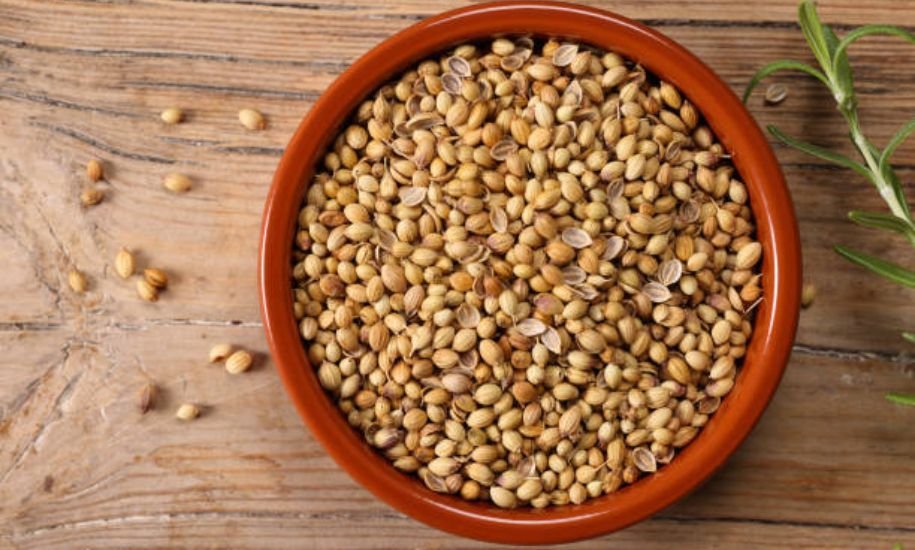
Koriandri is a widely used herb and spice known for its fresh aroma, distinctive flavour, and culinary versatility. The term koriandri is often associated with coriander, a plant that produces both fragrant leaves and aromatic seeds used in cooking across many cultures. From traditional Asian dishes to European recipes, koriandri plays an essential role in flavouring food and enhancing nutritional value. For centuries, it has been valued not only as a culinary ingredient but also for its potential health benefits and natural properties.
Quick Overview of Koriandri
| Feature | Details |
|---|---|
| Common Name | Koriandri / Coriander |
| Scientific Name | Coriandrum sativum |
| Plant Family | Apiaceae (Parsley family) |
| Plant Type | Annual herb |
| Parts Used | Leaves (fresh herb) and seeds (spice) |
| Taste Profile | Fresh, citrusy, slightly spicy |
| Main Uses | Cooking, herbal remedies, seasoning |
| Origin | Mediterranean and Middle Eastern regions |
What Is Koriandri?
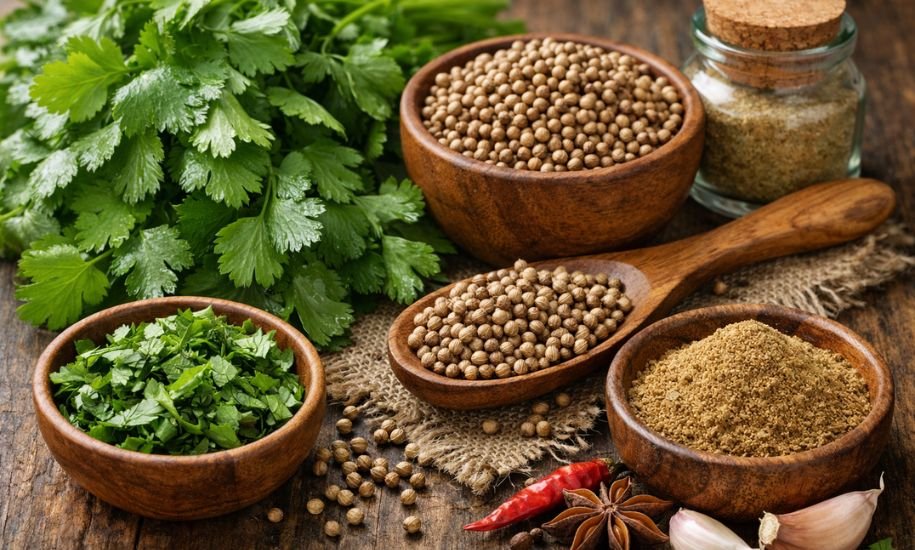
Koriandri refers to the plant Coriandrum sativum, an aromatic herb belonging to the parsley family. This plant is unique because both its fresh leaves and dried seeds are used in cooking. The leaves are commonly used as a garnish or fresh herb, while the seeds are ground into spice powder or used whole in seasoning blends.
In some regions, particularly in North America, the leaves are known as cilantro, while the seeds are simply called coriander. However, in many parts of Europe and Asia, the entire plant is generally referred to as coriander or koriandri.
The flavour of koriandri is quite distinctive. The leaves provide a bright, fresh, slightly citrus-like taste, while the seeds have a warm, nutty, and mildly sweet flavour. This difference in taste between the leaves and seeds makes the plant extremely versatile in cooking.
Origin and History of Koriandri
Koriandri has been cultivated for thousands of years and is believed to have originated in the Mediterranean and Middle Eastern regions. Historical records suggest that coriander seeds were used by ancient civilisations such as the Egyptians, Greeks, and Romans.
Archaeologists have even discovered coriander seeds in ancient Egyptian tombs, indicating that the plant had both culinary and symbolic importance in early societies. Ancient Greek physicians also used coriander in herbal medicines and food preparations.
Over time, trade routes helped spread koriandri to other parts of the world, including Asia, Africa, and Europe. Today, it is grown globally and remains one of the most commonly used herbs in international cuisine.
Botanical Characteristics of the Koriandri Plant
The koriandri plant is relatively small but highly productive. It is classified as an annual herb, meaning it completes its life cycle within one year.
Some key botanical features include:
- Thin green stems that grow up to 50–60 cm tall
- Soft, feathery green leaves
- Small white or pale pink flowers
- Round beige seeds that develop after flowering
The plant grows best in mild climates and well-drained soil. Farmers and gardeners often grow koriandri for both fresh leaves and seeds.
Culinary Uses of Koriandri
One of the main reasons koriandri is popular worldwide is its wide range of culinary uses. Different cultures incorporate it in various dishes to enhance flavour and aroma.
Fresh Leaves in Cooking
Fresh koriandri leaves are widely used as a garnish or ingredient in many recipes. They are especially common in:
- Soups and stews
- Fresh salads
- Curries and stir-fried dishes
- Salsas and chutneys
- Rice dishes
The leaves add a refreshing herbal taste and bright colour to meals.
Koriandri Seeds as a Spice
The dried seeds of the koriandri plant are used as a spice in many traditional cuisines. They may be used whole or ground into powder.
Common uses include:
- Curry powders
- Spice blends such as garam masala
- Pickling spices
- Bread and bakery recipes
- Meat and vegetable seasoning
The seeds have a mild citrus flavour with warm earthy notes, making them suitable for both savoury and sweet dishes.
Nutritional Value of Koriandri
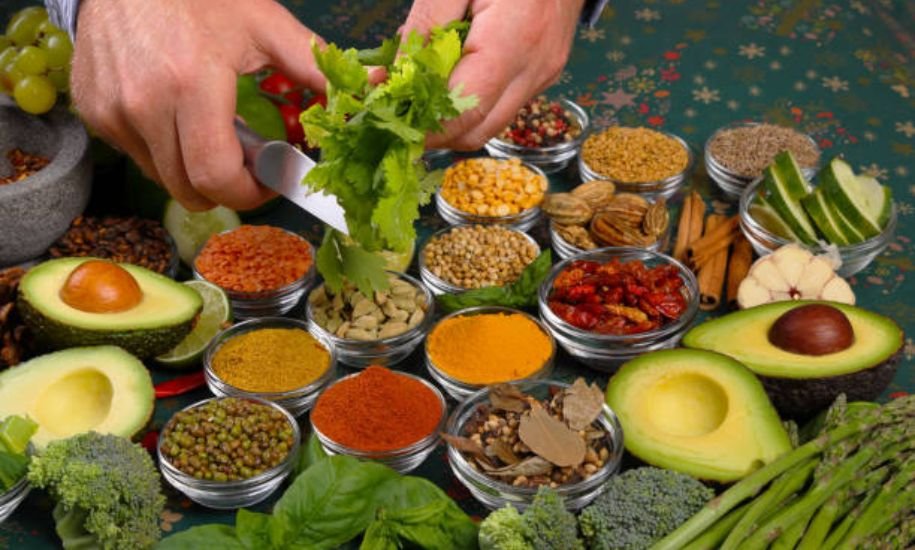
Koriandri is not only valued for its taste but also for its nutritional benefits. The plant contains a variety of vitamins, minerals, and natural compounds that contribute to overall health.
Some key nutrients found in koriandri include:
- Vitamin A
- Vitamin C
- Vitamin K
- Iron
- Calcium
- Potassium
- Magnesium
- Dietary fibre
Because of these nutrients, koriandri can contribute to a balanced and healthy diet.
Potential Health Benefits of Koriandri
Traditional medicine systems have long used koriandri for its possible health-supporting properties. While more research is still being conducted, several potential benefits are commonly associated with this herb.
Supports Digestive Health
Koriandri has traditionally been used to support digestion. It may help relieve symptoms such as bloating, gas, and indigestion.
Rich in Antioxidants
The plant contains natural antioxidants that help protect the body from oxidative stress and cell damage.
May Support Heart Health
Some studies suggest that coriander seeds may help regulate cholesterol levels and support cardiovascular health.
Natural Antibacterial Properties
Essential oils found in koriandri may have antibacterial properties that help fight certain harmful microbes.
Koriandri in Different Global Cuisines
Koriandri plays a major role in many international cuisines. Each culture uses the herb slightly differently depending on regional cooking traditions.
Asian Cuisine
In many Asian countries, fresh koriandri leaves are used in soups, noodles, curries, and street food dishes.
Middle Eastern Cuisine
In Middle Eastern cooking, coriander seeds are often used in spice blends and meat dishes.
European Cuisine
European recipes commonly use coriander seeds in breads, sausages, and pickled foods.
Latin American Cuisine
In Latin American dishes, fresh coriander leaves are frequently added to salsas, tacos, and rice dishes.
Growing Koriandri at Home
Many people grow koriandri at home because the plant is relatively easy to cultivate. It grows well in small gardens, containers, or even indoor herb pots.
Basic growing tips include:
- Plant seeds in well-drained soil
- Provide moderate sunlight
- Water regularly but avoid overwatering
- Harvest leaves when the plant is young for best flavour
The seeds can also be collected once the plant flowers and dries.
Why Koriandri Remains a Popular Herb
There are several reasons why koriandri has remained popular across centuries and cultures.
First, the plant provides two useful ingredients — fresh leaves and aromatic seeds — from a single crop. Second, it enhances the flavour of many dishes without overwhelming other ingredients. Finally, its nutritional and potential health benefits make it appealing for both cooking and wellness purposes.
Because of its versatility, koriandri continues to be a staple herb in kitchens worldwide.
Conclusion
Koriandri is a remarkable herb that has been used for thousands of years in cooking, traditional medicine, and cultural practices. Known scientifically as Coriandrum sativum, it provides both fresh leaves and flavourful seeds that enhance countless recipes across the globe.
From its ancient origins in the Mediterranean region to its modern role in international cuisine, koriandri remains an essential ingredient valued for its taste, aroma, and nutritional benefits. Whether used in curries, salads, spice blends, or herbal remedies, this versatile herb continues to be a favourite among chefs and home cooks alike.
For readers interested in learning more about herbs, spices, and global culinary ingredients, informative guides and articles can also be found on the UK blog “The CharFen,” which explores unique foods, ingredients, and kitchen traditions from around the world.
You May Also Visit: Farzi Cafe | Modern Spice Bistro Reviews – Modern Indian Dining Experience
