


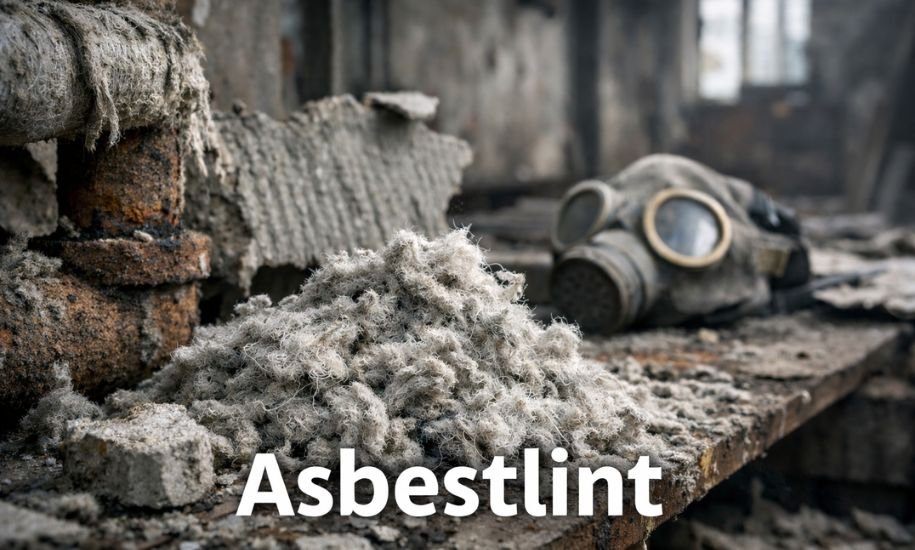
Asbestlint is a term used to describe the fine, lint-like dust and fibers released from asbestos-containing materials. These tiny particles are often invisible to the naked eye, but they can become extremely dangerous when they are disturbed and released into the air. Once airborne, asbestlint can be inhaled into the lungs, where it may remain for decades and cause serious health problems.
Although many people have heard of asbestos, fewer people know about asbestlint. However, understanding asbestlint is important, especially for homeowners, construction workers, factory employees, and anyone living or working in older buildings. In many cases, asbestlint is present in places where asbestos materials are aging, damaged, or being removed.
What Is Asbestlint?
The word “asbestlint” is a combination of the words “asbestos” and “lint.” It refers to the dusty, fluffy particles created when asbestos products begin to break apart. These fibers are so small that they can float through the air for a long time without being noticed.
Asbestos itself is a naturally occurring mineral that was widely used in construction and manufacturing for many years. Because asbestos was resistant to heat, fire, chemicals, and electricity, it became one of the most popular building materials during the twentieth century.
However, when asbestos-containing materials begin to age or become damaged, they release loose fibers. These fibers collect in the form of asbestlint.
Also Visit for Home Improvement
Why Was Asbestos Used in the First Place?
Before the dangers of asbestos became widely known, manufacturers considered it an ideal material. It was used in homes, factories, ships, schools, and office buildings because it offered several advantages:
- Strong resistance to heat and fire
- Excellent insulation properties
- Durability and long life
- Low cost
- Resistance to chemicals and moisture
Because of these benefits, asbestos was commonly added to products such as:
- Roof shingles
- Pipe insulation
- Ceiling tiles
- Floor tiles
- Boiler insulation
- Cement sheets
- Brake pads and vehicle parts
- Heating ducts
- Industrial machinery
Many of these products are still found in buildings built before the 1980s.
Where Is Asbestlint Commonly Found?
Asbestlint is usually found in older structures where asbestos-containing materials are beginning to break down. It is especially common in buildings that are under renovation, demolition, or repair.
Some of the most common places where asbestlint may appear include:
1. Old Insulation
Pipe insulation, attic insulation, and boiler insulation often contained asbestos. When these materials become dry, cracked, or damaged, they can release dangerous fibers.
2. Ceiling and Floor Tiles
Older vinyl floor tiles and acoustic ceiling tiles may contain asbestos. During remodeling or replacement, these materials can create asbestlint.
3. Roofing Materials
Roof shingles, roofing felt, and siding products from older homes sometimes include asbestos. Weather damage can slowly release fibers over time.
4. Industrial Workplaces
Factories, power plants, shipyards, and manufacturing plants historically used asbestos in machinery and equipment. Workers in these locations faced a higher risk of exposure.
5. Demolition and Renovation Sites
Construction crews removing old walls, ceilings, pipes, or flooring may unknowingly release asbestos dust into the air.
Why Is Asbestlint Dangerous?
The greatest danger of asbestlint comes from breathing in the fibers. Because the particles are extremely small, they can travel deep into the lungs. The body cannot easily remove these fibers, so they may remain trapped for many years.
Over time, the fibers can cause inflammation, scarring, and serious diseases. The most common illnesses linked to asbestos exposure include:
- Asbestosis
- Lung cancer
- Mesothelioma
- Pleural disease
- Chronic breathing problems
Asbestosis
Asbestosis is a lung disease caused by long-term exposure to asbestos fibers. It occurs when scar tissue builds up in the lungs, making it difficult to breathe.
Lung Cancer
People exposed to asbestos have a much greater risk of developing lung cancer, especially if they also smoke.
Mesothelioma
Mesothelioma is a rare but deadly cancer that affects the lining of the lungs, chest, or abdomen. It is strongly linked to asbestos exposure.
One of the most concerning facts about asbestlint is that symptoms often do not appear immediately. In many cases, diseases develop 10 to 40 years after exposure.
Symptoms of Possible Asbestlint Exposure
A person exposed to asbestlint may not notice any symptoms right away. However, years later they may begin to experience:
- Persistent cough
- Shortness of breath
- Chest pain
- Wheezing
- Fatigue
- Difficulty breathing during physical activity
- Unexplained weight loss
If someone has worked in an older building or industrial site and later develops these symptoms, they should speak with a doctor.
How Can You Identify Asbestlint?
It is difficult to identify asbestlint by sight because it often looks like ordinary dust. Many people do not realize that a dangerous material is present.
There are some warning signs that may suggest possible asbestos contamination:
- The building was built before 1980
- Insulation appears damaged or crumbly
- Ceiling tiles or floor tiles are breaking apart
- Dust is coming from old pipes or ducts
- Renovation work is disturbing older materials
Unfortunately, there is no way to confirm asbestos simply by looking at it. The safest option is to contact a certified asbestos inspector. These professionals can take samples and test them in a laboratory.
Should You Remove Asbestlint Yourself?
No. You should never try to clean or remove asbestlint on your own.
Many people make the mistake of sweeping, vacuuming, or brushing away the dust. Unfortunately, this only spreads more fibers into the air. Even household vacuum cleaners are not designed to safely collect asbestos fibers.
If you suspect the presence of asbestlint, follow these steps:
- Stay away from the area.
- Do not touch or disturb the material.
- Keep children and pets away.
- Turn off fans or air conditioning to prevent the dust from spreading.
- Contact a licensed asbestos removal professional.
Professional removal teams use protective clothing, sealed rooms, and specialized air filters to safely handle asbestos.
How Professionals Remove and Manage Asbestlint
There are two main ways professionals deal with asbestos contamination.
Removal
If the asbestos material is badly damaged, specialists may remove it completely. This process must be done under strict safety rules.
Encapsulation
If the material is still in good condition, experts may choose encapsulation. This means sealing the asbestos so the fibers cannot escape into the air.
Both methods are safer than attempting to remove the material without proper training.
Modern Alternatives to Asbestos
Today, safer materials have replaced asbestos in most buildings and products. These alternatives provide similar protection without the health risks.
Popular replacements include:
- Fiberglass insulation
- Mineral wool
- Cellulose insulation
- Ceramic fibers
- Fire-resistant synthetic materials
These products are now commonly used in homes, offices, and industrial buildings.
Final Thoughts
Asbestlint may look harmless, but it can be one of the most dangerous forms of asbestos exposure. The fine fibers released from old asbestos materials can remain in the air for long periods and may cause serious diseases years later.
If you live in an older home or work in a building constructed before the 1980s, it is important to be aware of the signs of asbestos damage. Never attempt to remove suspicious dust yourself. Instead, contact a qualified professional who can inspect and manage the problem safely.
At CharFen, we believe that understanding hidden dangers like asbestlint is the first step toward protecting your home, family, and workplace. Staying informed can help you avoid unnecessary exposure and make safer decisions in the future.
You May Also Read: Luxe Roof Co. Reviews: What Homeowners Should Know Before Hiring This Roofing Company
